Sustainable living doesn’t have to look like mason jars and beige everything. The new wave of eco-conscious homes is design-led, tech-aware, and quietly smart—more “boutique hotel you actually live in” than “off-grid cabin.” Think of it as upgrading your space so it works harder, wastes less, and still looks completely on-point.
Below are five innovative home ideas that feel modern first—and sustainable as a built-in bonus.
1. Material-First Decorating: Choosing Pieces With a Backstory
Instead of chasing fast décor trends, more homeowners are curating spaces around what things are made of and where they come from. It’s a subtle mindset shift: you’re not just asking “Do I like this?” but also “What’s the material story here?”
Opt for furniture made from FSC-certified wood, recycled metals, or reclaimed timbers; they bring character, patina, and a lower footprint. Textiles are another quiet win: organic cotton, linen, hemp, and wool age beautifully and typically skip the heavy chemical load of synthetics. Even statement pieces—like a coffee table crafted from salvaged wood or tiles made from recycled glass—act as built-in conversation starters.
This doesn’t mean an aesthetic sacrifice. Many design-forward brands now lead with sustainability in their collections, so your living room can feel editorial-level polished while being built on better choices. When each new piece you bring home has a traceable, thoughtful origin, your space feels less like a shopping cart and more like a story.
2. Micro-Comfort Zones: Heating and Cooling Only Where It Matters
Traditional home comfort is an all-or-nothing approach: heat the whole house, cool every room, even when no one’s in half of it. The new move is to design “micro-comfort zones”—small, intentional areas where temperature, light, and texture are tuned exactly to how you live.
Think heated bathroom floors instead of blasting central heat, or a radiant panel above your reading chair rather than warming the entire house at night. Zoned mini-split systems let you dial in different temperatures for different spaces, so you’re not over-conditioning areas you barely use. In bedrooms, better insulation, blackout shades, and breathable bedding can let you bump the thermostat up or down without sacrificing sleep quality.
Layered textiles—throws, rugs, cushions—aren’t just styling tricks; they’re thermal tools. They allow you to lean on personal comfort solutions (like a weighted blanket or an ultra-soft robe) instead of chasing a single “perfect” temperature for the whole home. The result is a space that feels more customized, uses less energy, and still looks carefully styled.
3. Kitchen Rituals Rewritten: Designing for Less Waste, Not Less Style
The kitchen is quietly becoming the most powerful sustainability hub in the home—not through guilt, but through design that makes lower-waste habits the easy default. Small, smart layout tweaks can completely change how you consume, store, and toss.
A visible “eat me first” shelf in the fridge (or clear glass containers at eye level) makes it easier to use what you have before it expires. Built-in compost caddies that integrate with your countertop or under-sink area keep scraps out of sight but within arm’s reach, so composting feels as normal as throwing something away. Slim, divided pull-out bins make recycling intuitive rather than a chore.
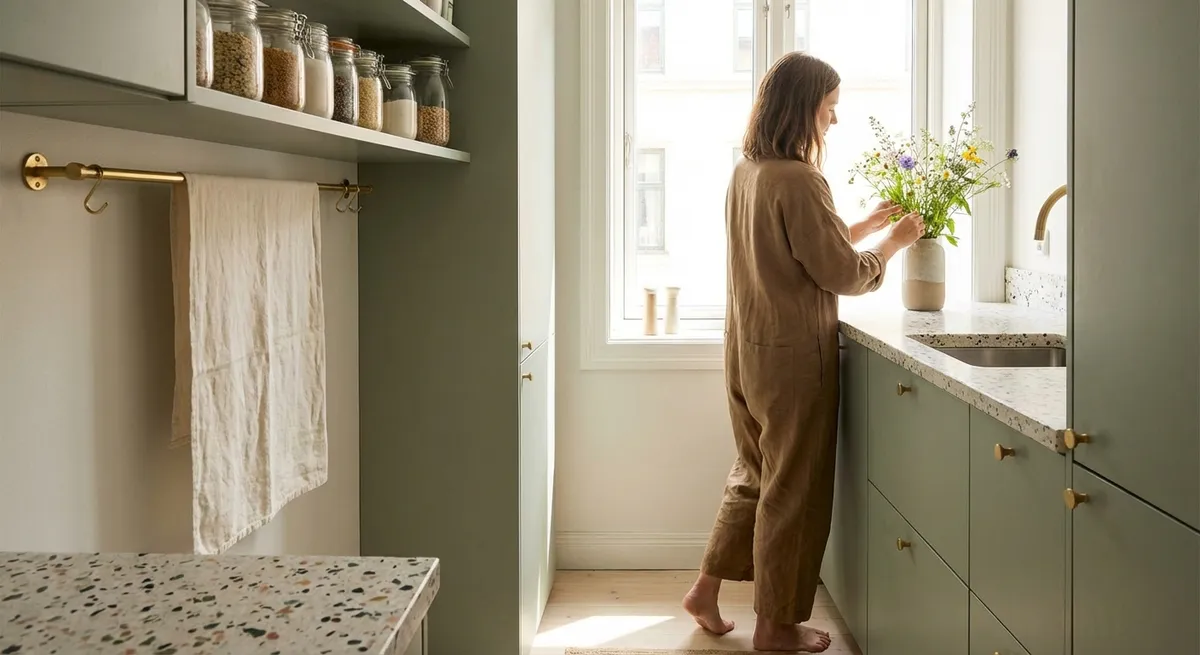
On the styling side, bulk jars for pantry staples, reusable glass containers, and attractive carafes for filtered water or homemade iced tea bring that café-meets-home look while cutting down on packaging and single-use plastic. When your kitchen is organized around visibility and flow—less hiding, more seeing—food waste naturally drops, and cooking at home suddenly feels more intentional and less chaotic.
4. Light as a Lifestyle Upgrade: Layered, Efficient Illumination
Lighting is one of the easiest ways to modernize your home and your energy use at the same time. The old model was a single central fixture and a couple of lamps; the new model is layered lighting that adapts to mood, time of day, and task.
Start with efficient LED bulbs with warm, flattering color temperatures (2700K–3000K) so you’re not trading atmosphere for efficiency. Then, think in zones: under-cabinet lighting to keep counters usable at night without flooding the whole kitchen; dimmable sconces in the living room that give a soft glow instead of harsh overhead light; bedside lights with focused beams so one person can read while the other sleeps.
Daylight is part of the lighting strategy too. Sheer curtains, reflective surfaces, and light wall colors help bounce sunlight deeper into your space, reducing the need for artificial lighting during the day. Smart dimmers or timers can quietly shift your home from bright and functional to low and cocoon-like as the evening moves on—using less energy while supporting your natural rhythms.
5. Indoor Nature Systems: Plants That Do More Than Just Look Good
Houseplants have gone mainstream, but the next wave is less about quantity and more about function. Instead of filling every corner with greenery, homeowners are treating plants as part of an intentional, low-key ecosystem indoors.
Air-purifying species like snake plants, pothos, and spider plants are resilient and adaptable, making them ideal for busy, design-conscious spaces. In the kitchen, a tight, well-lit herb station pulls triple duty: it upgrades your cooking, reduces plastic-packaged herbs, and adds living texture to your counters or windowsill. In bathrooms, ferns and peace lilies thrive in steam, softening hard surfaces and supporting humidity balance.
For those ready to go slightly further, low-profile hydroponic or soil-based grow systems can live on a shelf or in a corner, quietly producing greens and herbs year-round. Paired with natural materials—stone trays, ceramic pots, linen runners—your plants feel more like integrated décor than stand-alone objects. The result is a home that breathes a little better and feels more alive, without tipping into full jungle mode.
Conclusion
Sustainable living at home isn’t about perfection or a total aesthetic rebrand. It’s about layering smarter choices—material stories, micro-comfort zones, future-proof kitchens, thoughtful lighting, and intentional indoor nature—into the way you already want to live.
When eco-conscious decisions are woven into everyday rituals and design moves, your home starts to feel both more grounded and more elevated. It’s not just “living green”; it’s creating a space that quietly supports your lifestyle now and still makes sense years from today.
Sources
- U.S. Environmental Protection Agency – Green Building Basics - Overview of energy-efficient, resource-conscious building and design principles
- U.S. Department of Energy – Energy Saver: Heating & Cooling - Guidance on efficient heating and cooling strategies, including zoning and insulation
- Harvard T.H. Chan School of Public Health – Healthy Buildings - Research on how indoor environments, materials, and ventilation affect health and well-being
- Food and Agriculture Organization of the United Nations – Food Loss and Waste Facts - Data and context on global food waste and why kitchen design and habits matter
- Royal Horticultural Society – Houseplants for Healthier Indoor Environments - Information on how indoor plants can contribute to indoor air quality and well-being
Key Takeaway
The most important thing to remember from this article is that this information can change how you think about Sustainable Living.