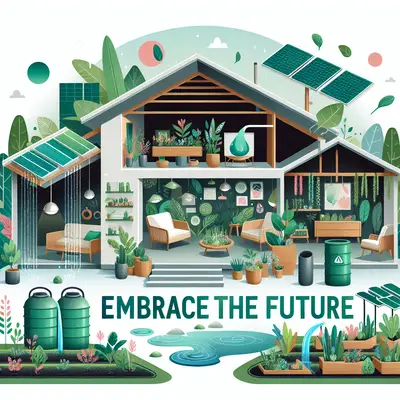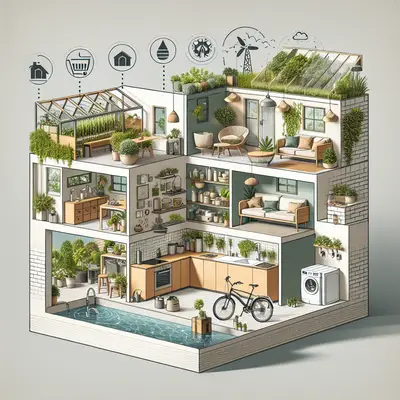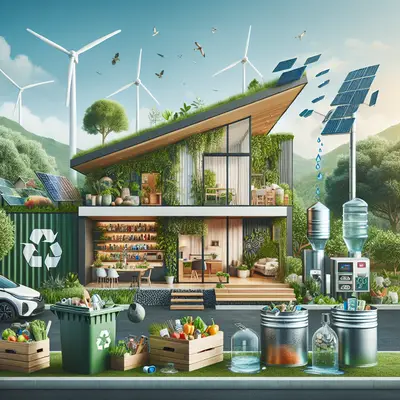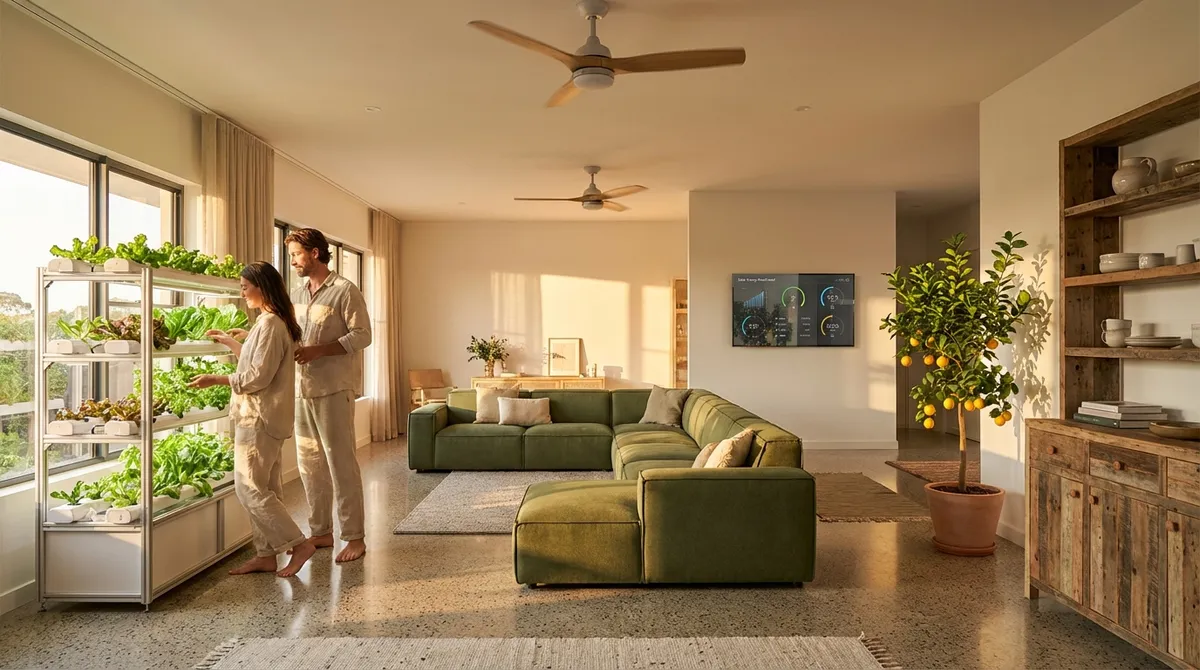
Sustainable living isn’t about perfection or moving off-grid—it’s about designing a home that works smarter, feels better to live in, and quietly shrinks your footprint in the background. Today’s eco-conscious homes are less “back-to-the-land” and more “design-forward with receipts.” Think: tech that actually earns its keep, materials that age well, and routines that feel like an upgrade, not a sacrifice.
Below are five innovative home living ideas that lean into comfort, style, and convenience—while seriously leveling up your sustainability game.
1. Design a “Low-Energy Comfort Zone” Instead of Heating the Whole House
Most homes still operate like it’s the 1950s: one thermostat, one strategy, same temperature everywhere. A more modern, sustainable move is to create a “low-energy comfort zone”—a few key rooms that stay perfectly dialed-in, while the rest of your home runs cooler (or warmer) and uses less energy.
Start with where you actually live: usually the living area, kitchen, and bedroom. Add smart thermostats and room sensors so these spaces respond to how you move and when you’re home. Layer in things like draft-proof curtains, rugs, and insulated blinds to reduce heat loss or gain. In smaller spaces, a high-efficiency heat pump or modern electric radiator can target comfort without blasting the entire home.
What this does: Instead of chasing a perfect temperature everywhere, you optimize the zones you actually inhabit most. It feels cozy, controlled, and intentional—and you can see the difference on your utility bills and energy reports.
2. Turn Your Home Into a Micro-Circular System (With Almost No Extra Effort)
The next wave of sustainable living is “micro-circularity”: designing your home so materials, food, and products circulate longer instead of ending up in the trash. It sounds intense, but it can be surprisingly low-maintenance when you set it up right.
Start with food. Integrate a slim countertop compost bin that feeds into a backyard compost pile or a municipal compost collection. Add a dedicated “second life” drawer or basket in the kitchen for leftover containers, jars, and bags you actually reuse. In the bathroom, switch to refillable dispensers for soap, shampoo, and cleaning products and set up a refill routine (monthly or quarterly) through local refill shops or online subscription services.
Extend this thinking to textiles: have a visible, attractive basket in your bedroom or laundry area labeled “repair/repurpose.” Toss in worn-out pieces for mending, dyeing, cutting into rags, or donating to textile recycling instead of automatically binning them. Over time, your home starts operating more like a loop than a line—and it doesn’t require a personality overhaul to maintain.
3. Swap “Fast Décor” for Materials That Improve With Age
Sustainable living isn’t only about watts and water—what your home is made of matters. One powerful shift: move away from “fast décor” that trends hard and wears out quickly, and lean into materials that actually look better and last longer the more you use them.
Think solid wood over MDF, linen over polyester, wool over synthetic throws, and ceramic or glass over plastic. These materials aren’t just more durable; they usually come with a lower long-term environmental cost because you’re replacing them less often. They can be refinished, repaired, or reupholstered instead of tossed.
Take it room by room. Maybe you start with your dining setup: a solid wood table (new or secondhand), durable linen napkins, and timeless glassware that works for both everyday and entertaining. In the bedroom, opt for high-quality natural-fiber bedding that breathes better and lasts longer. Over a few seasons, your home evolves into a space where “sustainable” and “aesthetic” are the same conversation.
4. Build a “Low-Waste Kitchen Grid” That Runs on Systems, Not Willpower
Most low-waste kitchen advice leans on good intentions and endless discipline. A more realistic approach: design a system that makes the sustainable choice the automatic choice.
Create a simple “kitchen grid” that organizes how you shop, store, and cook:
- Plan by categories, not recipes. Keep a running list of “base ingredients” (grains, proteins, vegetables, herbs) and mix and match rather than overbuying for hyper-specific dishes.
- Design your fridge like a store display. Use clear bins labeled “eat first,” “prep ingredients,” and “snacks,” so food doesn’t disappear into the back and die there.
- Batch prep your “rescue meals.” Once a week, make flexible dishes—like soups, grain bowls, or frittatas—that can absorb leftovers and odd ingredients.
- Standardize your storage. A consistent set of glass containers and jars makes it easier to see what you have and actually use it before it spoils.
Over time, this grid seriously reduces food waste, accidental duplicate purchases, and impulse takeout. It’s sustainable living that also upgrades your day-to-day flow—and makes your kitchen feel more like a well-run café than a chaos zone.
5. Create a “Soft Tech” Layer That Saves Energy Without Feeling Robotic
Smart homes used to mean loud, gadgety setups that felt more like a demo than a lifestyle. The new wave is “soft tech”: quiet, invisible systems that blend in and subtly curb your resource use.
Start with lighting. Smart bulbs or switches can gradually dim in the evening, mimic natural daylight, and auto-switch off in empty rooms. Add smart plugs to energy-hungry appliances so they’re not on standby all day. In older homes, this is a gentle way to get a lot of the benefits of a smart renovation without opening a single wall.
Then connect it to your habits: use automation rules like “turn everything off when I leave,” or “activate night mode at 11 p.m.” to reduce wasted energy with zero thought. The goal isn’t a sci-fi command center; it’s a home that subtly adjusts, trims excess, and supports the way you live—while shaving off emissions in the background.
Conclusion
A sustainable home in 2026 isn’t about living with less; it’s about living with more intention. You’re optimizing for comfort, not guilt. You’re choosing materials that last, systems that back you up, and tech that’s there to quietly support your values.
When you layer these ideas—a focused comfort zone, micro-circular habits, durable materials, a low-waste kitchen grid, and soft tech—you end up with a home that feels more calm, more considered, and more future-proof. It’s not about being perfectly eco; it’s about letting your everyday life trend greener by design.
Sources
- U.S. Department of Energy – Home Energy Savings Tips – Guidance on reducing residential energy use and improving comfort
- EPA – Sustainable Management of Food – Data and strategies for cutting food waste at home
- Harvard T.H. Chan School of Public Health – Plastics & Health – Research-backed insights on choosing safer, more sustainable materials
- University of Michigan – Sustainable Home Design Guide – Practical recommendations on materials, energy, and water efficiency in homes
- BBC Future – How Smart Tech Can Cut Energy Use – Overview of how connected devices reduce energy consumption in everyday living
Key Takeaway
The most important thing to remember from this article is that this information can change how you think about Sustainable Living.