The internet is currently obsessed with one thing: who’s really behind the food takes in your feed. A recent viral AMA revealed a former paid commenter who says they were hired by parts of the meat industry to quietly discredit veganism online—casting doubt on plant-based diets, amplifying “it’s too hard” narratives, and making eco-conscious eating look extreme instead of normal. It’s a very 2020s plot twist: even our dinner debates might be astroturfed.
Beyond the drama, there’s a bigger story here for anyone thinking about sustainable living at home. If anonymous campaigns can nudge what we eat, they can also nudge how we shop, cook, and design our spaces. The good news? You have more control than you think. By turning your home into a low-impact, food-smart space, you can opt out of the noise—and quietly build a lifestyle that’s healthier for you and the planet.
1. Turn Your Kitchen Into a “Food-Truth” Zone
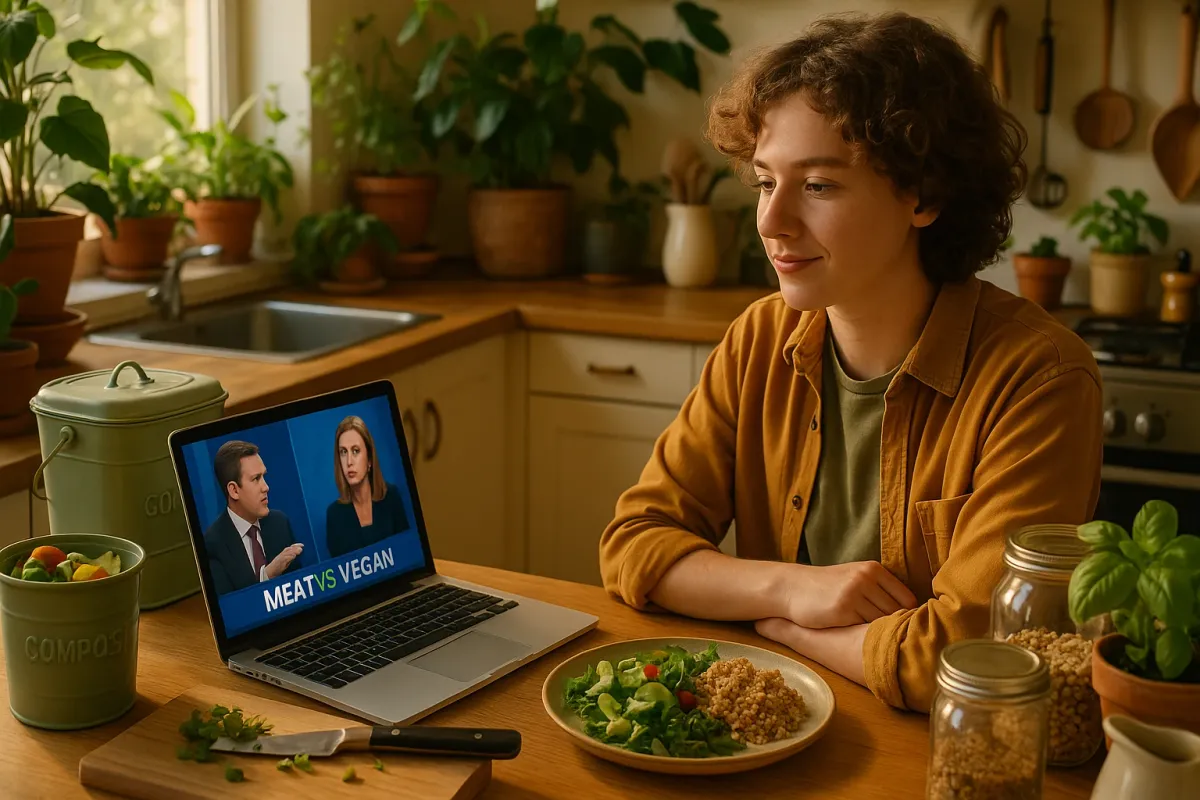
If online comments are getting paid to confuse you about what’s “healthy” or “sustainable,” your kitchen can be the antidote. Start by making ingredients—not marketing—the hero. Clear jars of grains, legumes, nuts, and seeds on open shelves do more than look pretty; they normalize plant-forward eating every time you walk by. It becomes much harder for an anonymous troll to convince you that lentils are “weird” when they’re literally part of your kitchen’s aesthetic.
Lean into kitchen design that supports reality over hype. A big cutting board that lives permanently on the counter signals “we cook here.” A visible fruit bowl near where you drop your keys makes grabbing an apple easier than opening a snack drawer. And if you’re scrolling recipes on TikTok or Instagram, curate your feed the way you curate your pantry—follow creators who show whole ingredients, cultural diversity, and transparency about food systems, not just viral cheese pulls. Your kitchen can be your fact-checker.
2. Design a Plant-Forward Pantry (Without Going Fully Vegan)
The AMA about paid anti-vegan campaigns doesn’t mean everyone needs to go 100% plant-based tomorrow. But it does highlight how powerful your pantry really is. A smart middle ground is to design your storage around “plant-first, not plant-only.” Think of animal products as accents, not the default center of every meal.
This starts with layout: give prime real estate (eye-level shelves, easy-to-reach baskets) to versatile plant staples—chickpeas, black beans, oats, pasta, whole grains, canned tomatoes, frozen veg. Push ultra-processed convenience foods to less visible spots so they’re “sometimes” options, not automatic choices. Use attractive baskets or labeled glass containers so sustainable choices feel intentional and elevated, not like a compromise. Over time, your own space begins to steer you toward climate-friendlier meals—no online argument required.
3. Make Your Fridge Sustainability-Smart, Not Just “Smart”
While the internet fights about macros and moral superiority, your fridge is quietly deciding how much food you’ll waste this week. A climate-friendly home isn’t only about what you buy—it’s how much you throw away. With grocery prices up and climate headlines getting louder, 2025 is the year the “anti-waste fridge” goes mainstream.
Reorganize your fridge like a boutique instead of a black hole. Use a “Eat Me First” bin at the front for anything that’s about to turn: soft tomatoes, half a red onion, leftover cooked grains. Store herbs in jars of water like tiny bouquets so they last longer and look good. Keep plant-based proteins (tofu, tempeh, beans, hummus) at eye level so they’re visual prompts when you’re tired and close to ordering takeout. If you have a smart fridge or smart speaker, use it to set reminders for use-by dates or to log what’s in your crisper. Sustainability becomes baked into your daily routine—not a moral performance online.
4. Build a Micro Food System at Home (Yes, Even in an Apartment)
Every time someone online says “veganism isn’t realistic,” they’re usually picturing a giant garden and endless free time. The current backlash discourse often ignores urban, renter, and small-space realities. But you don’t need land to have a micro food system—you just need sunlight, a bit of counter space, and a plan.
Start with low-effort, high-impact moves: a windowsill herb strip, a balcony planter with salad greens, or a grow light corner for leafy greens if your home is short on natural light. Composting has also gone next-gen; there are sleek indoor composters and bokashi systems designed for apartments that won’t make your place smell like a farm. Pair that with a weekly “kitchen reset” ritual: chop extra veggies, cook a big pot of grains, prep a sauce or two. The more your home behaves like a tiny, closed-loop ecosystem—growing some food, cycling scraps, batch-prepping—the less you’re pulled around by whatever food narrative is trending that week.
5. Curate a Climate-Conscious Dining Vibe
The online culture wars around food—vegan vs. carnivore, local vs. imported, organic vs. budget—can make sustainable eating feel exhausting and judgmental. Bring the focus back to what happens in your actual dining space. A climate-conscious home isn’t just about emissions; it’s about the kind of conversations and rituals your space invites.
Think of your dining area as an “offline reset.” Candlelit dinners with simple, mostly plant-based dishes. Mismatched thrifted plates that tell stories instead of matching sets shipped halfway across the world. Carafes of tap water with citrus or herbs instead of single-use bottled drinks. You can even set a house rule: phones away at meals, no nutrition debates at the table, just connection. Host friends for “low-impact potlucks” where the only theme is: bring something plant-leaning or seasonal that you actually enjoy. The more you associate sustainable eating with warmth, pleasure, and aesthetics, the less power anonymous online campaigns have over your choices.
Conclusion
The revelation that parts of the meat industry may be paying people to quietly trash veganism online is more than a scandal—it’s a reminder that our most sustainable decisions shouldn’t be outsourced to comment sections or algorithms. Your home is where you get to opt out of the noise.
By treating your space as a quiet counter-narrative—a plant-forward pantry, a waste-smart fridge, a tiny food system, and a dining vibe built around connection—you’re not just “being eco-friendly.” You’re designing a lifestyle that’s resilient to spin, grounded in reality, and genuinely enjoyable to live in. The future of sustainable living isn’t loud. It’s quietly built, one kitchen, one meal, one home at a time.
Key Takeaway
The most important thing to remember from this article is that this information can change how you think about Sustainable Living.