Bringing home a rescue pet used to be framed as an emotional choice. Today, it’s also a climate choice. With around 6.5 million animals entering U.S. shelters every year, and adoption rates steadily rising (as highlighted in this month’s wave of “wholesome rescue pet” stories), there’s a subtle shift happening: people aren’t just adopting animals—they’re redesigning their homes and lifestyles around them.
That’s a huge deal for sustainable living. Every time someone adopts instead of buying from a breeder, they’re reducing demand for high-impact commercial breeding operations, cutting transport emissions, and extending the life of an animal that might otherwise be euthanized. But the real magic happens after adoption, inside the home—where modern homeowners are turning pet-friendly into eco-friendly, and proving that low-impact living can also be ridiculously cozy.
Below are five innovative ways rescue-pet culture is reshaping how we design, decorate, and live more sustainably at home—without sacrificing style.
1. The “Adopt, Don’t Shop” Lifestyle Shift Inside Your Home
The monthly “Most Wholesome Rescue Pet Photos” trend isn’t just cute content—it’s a snapshot of a cultural pivot. Adoption first, consumption second. That same mindset is starting to show up in how people build their living spaces: reuse, repurpose, then buy. Pet parents adopting from shelters are often more tuned in to ethics, wellness, and impact—so their homes naturally reflect those values.
Instead of buying a brand-new designer dog bed, many are turning vintage rugs into pet zones, reviving old ottomans as cat perches, or reupholstering existing furniture with durable, low-tox fabrics instead of replacing it. This slows the constant churn of “new” and channels that adoptive energy into objects too—choosing things with a past instead of defaulting to fast décor. If you’re already saying yes to a second-chance animal, letting your interior choices follow that same logic feels like a natural next step.
2. Low-Waste Pet Care Stations That Actually Look Good
One of the least-glamorous parts of pet ownership is the gear: food bags, litter, poop bags, grooming tools, cleaning sprays. Traditionally, all of that comes wrapped in plastic and clutter. Modern sustainable homes are flipping this script with minimalist, low-waste pet care stations that are as Instagrammable as any coffee bar.
Think: a built-in niche in your mudroom or kitchen with glass or stainless steel jars for dry food, treats, and chews; a pull-out drawer lined with reusable containers instead of single-use packaging; and a small shelf dedicated to refillable, non-toxic cleaning concentrates for accidents. For dogs, homeowners are opting for compostable poop bags stored in sleek wall-mounted dispensers by the door, and some are even connecting their outdoor spaces to small pet waste compost systems (where local rules allow). The result is a cleaner look, less plastic, and a routine that feels intentional rather than chaotic.
3. Upcycled Pet Furniture That Doubles as Design
The rescue pet trend has sparked a wave of DIY creativity—because not everyone wants a beige faux-fur cat tower in the middle of their living room. Instead, people are hacking existing furniture and secondhand finds into pieces that serve both design and animals.
Old ladders become vertical cat playgrounds with added sisal rope and reclaimed wood platforms. Vintage sideboards get a cut-out nook inside for hidden litter boxes, complete with charcoal filters and plant styling on top. Mid-century coffee tables are converted into dog dens with removable fabric curtains made from leftover upholstery. These projects do more than save money; they keep bulky items out of landfills and replace mass-produced pet gear with one-of-a-kind pieces that are inherently more sustainable. The bonus: your home feels curated, not cluttered with pet store aesthetics.
4. Biophilic Pet Zones: Plants, Light, and Shared Wellness
Those heart-melting rescue pet photos often feature something else trending in parallel: plant-filled, light-soaked interiors. Biophilic design—bringing nature indoors—is already a major sustainability trend, but pets are pushing it in a more intentional direction.
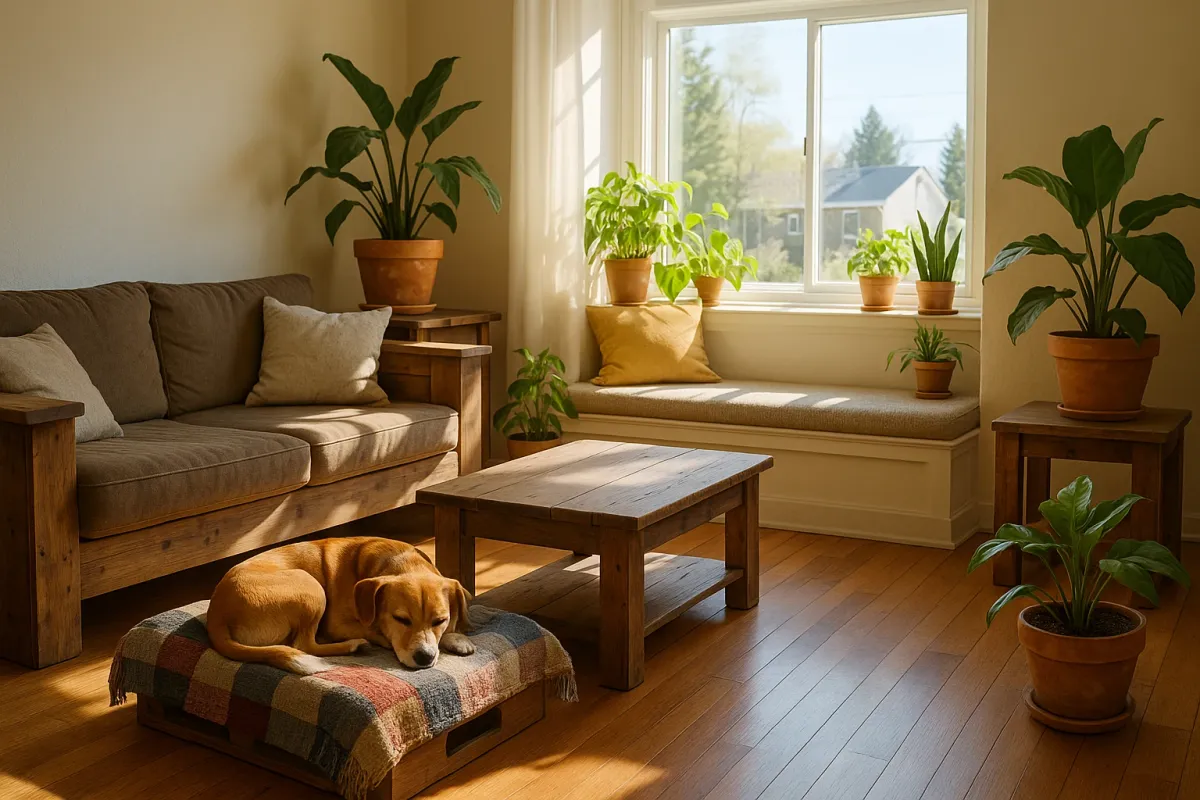
Homeowners are now creating “co-regulation corners” where humans and animals can decompress together: a sunny window with a low bench, cozy throw, and a floor cushion for the dog; a tall cat perch next to a cluster of pet-safe plants like calathea, spider plants, and areca palms. These zones leverage natural light and greenery to improve indoor air quality, reduce the need for artificial lighting during the day, and support mental health for both species. The key is choosing non-toxic plants and natural materials—unsealed wood, organic cotton, wool—that age gracefully and avoid the microplastic shedding you get from many synthetic textiles.
5. Rescue-Inspired Routines That Cut Your Footprint
Adopting a pet reshapes your calendar—walks, playtime, feeding, vet visits. Increasingly, people are using those new rhythms to anchor lower-impact living habits. Morning dog walks become car-free errands when you choose a route that swings by a local coffee shop with your reusable cup. Evening play sessions in the yard replace another episode of streaming, subtly shaving off some digital energy use.
Cat owners are swapping clay litter (which is strip-mined and heavy to transport) for plant-based, compostable options where local regulations allow, and buying in bulk to reduce packaging. Many rescue-focused households are also embracing slow fashion in pet form: opting for one high-quality collar or harness made from recycled materials instead of a drawer full of novelty accessories. The through-line is consistency—using the daily routines your pet needs anyway to quietly shift your own habits toward something lighter and more mindful.
Conclusion
The surge of rescue-pet content online may look like pure feel-good escapism, but it’s quietly mapping out a new kind of sustainable home: one built around compassion, reuse, and long-term commitment—both to animals and to the planet. When you adopt, you’re not just changing an animal’s life; you’re giving yourself a chance to reimagine how you live, what you buy, and what you bring through your front door.
If you’re already a rescue parent, your home is probably more sustainable than you think. And if you’re considering adoption, let this be your permission slip to redesign your space around that choice—less plastic, more plants, smarter storage, slower décor. Tiny rescue, big ripple effect.
Key Takeaway
The most important thing to remember from this article is that this information can change how you think about Sustainable Living.