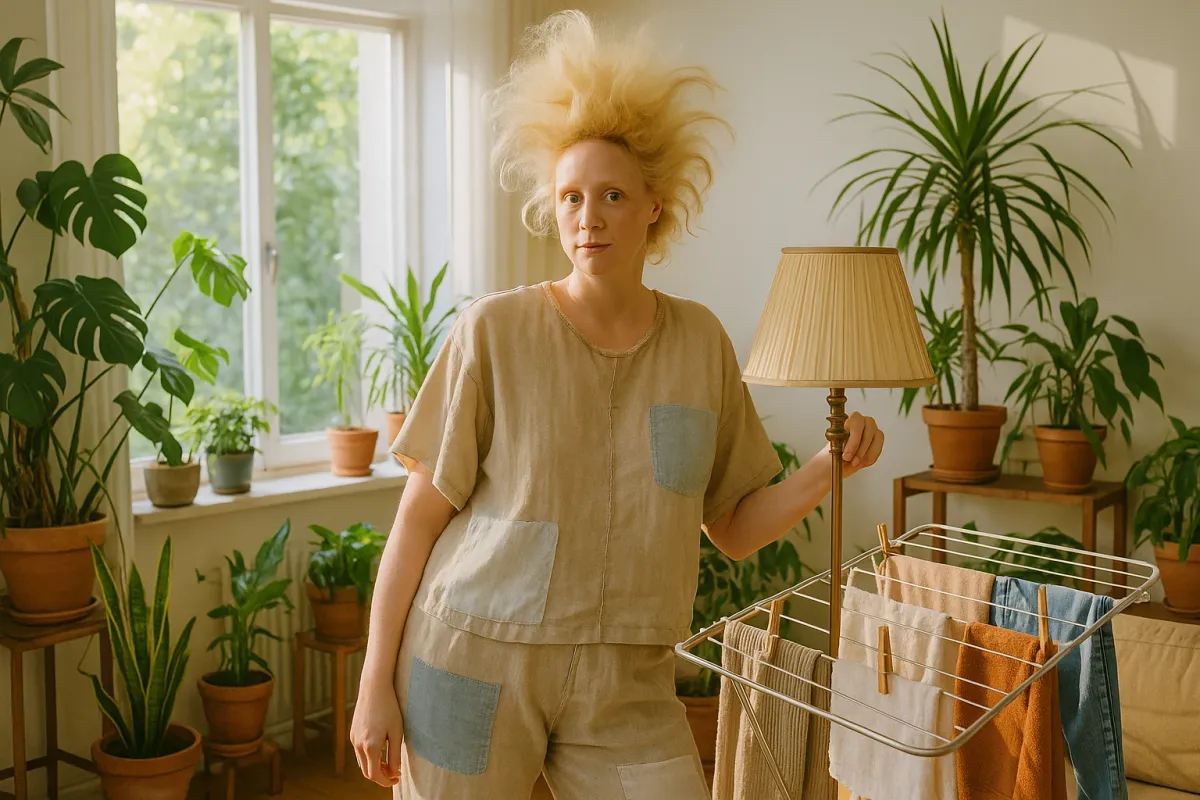
When Gwendoline Christie floated into the British Fashion Awards with that towering, chaotic blonde beehive that viewers immediately dubbed “a new home for lice,” most people saw a meme. Fashion Twitter went off, comment sections combusted, and suddenly her hair had its own news cycle. But behind the screenshots and snark, something more interesting is happening: big, bizarre beauty looks are quietly pushing us to talk about materials, waste, and how we design both our style and our spaces.
The Fashion Awards this week weren’t just about gowns and gossip. Major luxury houses used the red carpet to spotlight “responsible” collections, deadstock fabrics, and lower-impact production. Gwendoline’s surreal, sculptural hair grabbed attention—but the industry around her is finally being forced to rethink how it uses resources. That same rethink is exactly what’s coming for our homes.
If the red carpet is going maximalist yet (slowly) more mindful, your living room can do the same: bold, expressive, but less wasteful. Here’s how to channel this week’s fashion chaos into a more sustainable, high-style home—no towering hairpiece required.
1. Swap Fast Décor for “Capsule Home Style”
Fashion is (finally) pivoting from fast fashion to “capsule wardrobes”—fewer, better, longer-lasting pieces. Take that same mindset into your home and you instantly slash waste without sacrificing aesthetic.
A “capsule home” means: you stop impulse-buying cheap decor hauls and instead invest in core pieces that can shift with your taste. Think: one good sofa you can re-cover over time rather than three disposable ones; neutral but sculptural lighting that works with different color schemes; high-quality linen bedding that still looks good years in. Just like stylists repeatedly pull archive pieces for the red carpet, make your existing items work harder: reupholster in new textures, repaint side tables, or move art between rooms to reset the vibe. The key is treating your home like a personal collection, not a feed refresh—curated, not churned. In a world where furniture waste is exploding, this is one of the most impactful style moves you can make.
2. Let “Statement Hair” Inspire Statement, Low-Impact Materials
Christie’s hair stole the show because it was weird, dimensional, and unignorable. You can get that same energy at home with bold surfaces and textures—without leaning on high-impact, synthetic everything.
Start with one or two “hero” materials and build around them. Instead of plastic-heavy decor, look for limewash or clay paint that gives walls a soft, cloudy texture (high drama, low VOCs). Choose a chunky wool, jute, or recycled-fiber rug as your grounding statement instead of a petroleum-based shag. Try cork for flooring or wall panels—it’s renewable, naturally sound-absorbing, and visually interesting enough to be your room’s conversation starter. In smaller doses, details like mushroom “leather” ottomans, recycled glass side tables, or bio-based resin trays bring that fashion-week experimental feel into everyday life. The goal: when someone walks in, there’s at least one texture they want to touch—and none of it relies on cheap, short-lived plastic.
3. Turn Your Bathroom Into a Low-Waste Beauty Studio
The British Fashion Awards reminded everyone that beauty can be art—and also a sustainability nightmare when you zoom in on products, plastic, and water use. Use this moment to reinvent your bathroom from product graveyard into a streamlined, low-waste glam station.
Start by auditing your products like a pro kit: what do you actually use daily, and what’s just shelf clutter? Replace duplicates with high-performing basics in refillable or glass packaging (many indie brands and big players now offer refills or bulk sizes). Swap disposable makeup wipes for washable cloths and reusable cotton rounds, and trade plastic razors for metal safety razors that last for years. Then tackle water: install a low-flow showerhead that still feels luxe, and get in the habit of “red carpet” showers—short, intentional, with a post-shower routine you actually stick to. Display the products you love on a tray as if they’re backstage at a show; hide the bulk refills in drawers. It feels chic, looks editorial, and quietly cuts your bathroom footprint.
4. Build a Home “Costume Department” for Clothes You Already Own
Every award show confirms what we already know: stylists are wizards at making the same person look completely different, over and over, with a mix of rentals, archive pieces, and clever tailoring. Your closet can function the same way—with a tiny bit of planning and a lot less buying.
Designate one area—a clothing rack, a portion of your wardrobe, even a labeled box—as your “costume department.” This is where outfits are assembled, not stored. Use it to build looks from what you already own, mixing in secondhand or rental pieces only when needed. Create moodboards (Pinterest, IG saves, or literally taped-up printouts) of styles you love so you’re styling from references, not from an urge to shop. Add a mini “repair station” box with a sewing kit, fabric shaver, and lint roller so mending is as easy as scrolling. By physically reorganizing your space this way, you train yourself to treat clothing like a resource to be reworked—not a disposable stream. The payoff: more creative outfits, less closet guilt, and a wardrobe that actually feels personal.
5. Design Your Home for “Showtime” and “Shutdown” Modes
The fashion world lives in peaks: red carpets, runways, after-parties, and then… absolutely nothing. Our homes, on the other hand, often stay stuck in permanent “on” mode—lights blazing, devices humming, AC blasting. A more sustainable (and mentally calmer) approach is to give your home two clear settings: showtime and shutdown.
Showtime is when you’re awake, hosting, creating, or working from home. You intentionally light specific zones (task lamps, warm LEDs), run only the appliances you’re actually using, and lean fully into your space. Shutdown is when you leave or head to bed: smart plugs or simple power strips off, “vampire” devices unplugged, thermostat bumped a degree or two, curtains closed to keep heat in or out depending on the season. Put this on literal cues—a small lamp that’s only on in showtime, a single switch or app routine for shutdown. What the red carpet is to a celebrity, showtime is to your space: curated, lit, alive. The rest of the time, let your home rest too. You cut energy use, lower bills, and add a subtle ritual that bookends your day.
Conclusion
This week, everyone joked that Gwendoline Christie’s hair was a “new home for lice.” But zoom out, and that viral moment is part of a bigger shift: style is getting louder, stranger, and more experimental—while the industry around it is being pushed, hard, to clean up its act. Our homes are next in line.
You don’t need a couture budget or a British Fashion Awards invite to play. Treat your space like a capsule collection, make bold material choices that are kind to the planet, streamline your beauty and wardrobe habits, and let your home switch gracefully between showtime and shutdown. Sustainable living in 2025 isn’t about beige minimalism and guilt; it’s about designing a lifestyle that feels expressive, future-aware, and genuinely you.
Key Takeaway
The most important thing to remember from this article is that this information can change how you think about Sustainable Living.