If you’ve scrolled social media this week, you’ve probably noticed: everyone is talking about feelings again. From viral meme threads about existential dread to comics unpacking mental health, the internet is collectively processing its inner life out loud. And quietly, the devices in our homes are doing something similar—learning to read the room, calibrate our moods, and support our day-to-day energy.
While people are sharing “most unhinged work emails” and deeply relatable comics about burnout, companies like Google, Amazon, and Samsung are racing to build homes that respond to more than just voice commands—they’re starting to tune into how we feel. Think circadian lighting that acts like a gentle therapist, smart speakers that double as wellness check-ins, and spaces that automatically shift from “WFH grind” to “mental reset” with a single routine.
Below, we’re taking that cultural moment—people posting about their stress, their joy, their weird late-night spirals—and translating it into home tech that actually supports modern emotional life. Here are five innovative home living ideas that match where our heads (and homes) are really at right now.
Emotion-Aware Lighting That Tracks Your Day, Not Just the Time
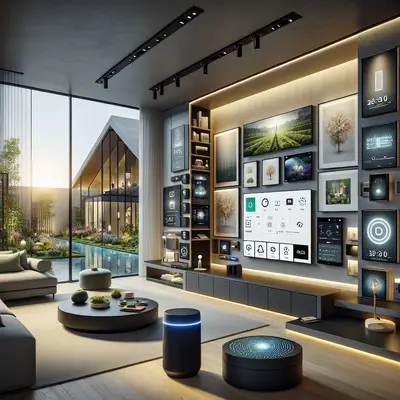
With mental health comics and “day-in-the-life-of-anxious-me” reels going viral, it’s clear people are hyper-aware of their emotional ups and downs. Lighting brands are paying attention. Philips Hue, Nanoleaf, Govee, and even Samsung’s SmartThings ecosystem are leaning into scenes and automations that go way beyond “bright” and “dim.” The new wave: emotion-aware routines—cooler, focus-boosting white light when you’re in heads-down work mode, then a warm, soft sunset palette that literally cues your nervous system to chill when Slack finally closes.
This isn’t sci-fi; it’s built on trends already here. Apple’s Home app has Adaptive Lighting, and circadian-friendly bulbs are starting to show up in big-box stores. Paired with data from your phone or smartwatch—like your sleep score or stress levels—your home could automatically shift the light temperature when it senses you’re fried. Imagine a “Bad Email Scene” that instantly warms the room, drops the brightness, and turns your kitchen into a calm, low-key refuge after that one message you now want to screenshot and send to the “worst work emails” thread on X. Lighting is slowly becoming less about visibility and more about emotional climate control.
Soundscapes That Sync to Your Stress (Not Just Your Spotify)
We’re in an era where people openly tweet about panic spirals and share playlists labeled “Main Character Nervous Breakdown.” Audio companies have clocked this. Smart speakers from Sonos, Amazon Echo, and Google Nest already push curated mood playlists, but the next layer is audio that actively responds to your state. Think: a smart speaker that notices you’ve been pacing and talking faster on calls and gently suggests switching to a low-fi, no-lyrics soundscape.
This isn’t as far off as it sounds. Calm and Headspace are integrated into TVs and connected speakers, while Spotify’s AI DJ is learning your patterns eerily well. Now imagine blending that with your home: blinds lower automatically, your TV switches to an ambient fireplace, and a “decompression mix” starts when your calendar shows your last meeting of the day. With mental health and self-regulation becoming constant online conversation topics, expect audio experiences to shift from “entertain me” to “help regulate me.”
Micro-Zoned Spaces Built for Your Many Personalities
Those viral comics about being one person at work, another with friends, another when you’re alone? Your house feels that split personality too. The big shift in 2025 home design: micro-zones—tiny, tech-enhanced pockets of space tailored to very specific versions of you. That might be a corner with a fold-down desk, a monitor arm, and a ring light that only exists from 9–5… and a reading cocoon that appears at night with a different lighting scene, soft audio, and a heated throw that lives plugged into a smart outlet.
Furniture brands like IKEA, Floyd, and Burrow are already leaning into modular setups, while home tech players like LG and Samsung are pushing ultra-thin displays and wireless audio that can disappear when not in use. Combine those with smart plugs, scene-based automation, and even low-key room dividers, and you get a home that can pivot as fast as your group chats. One room doesn’t have to choose between “office,” “gym,” or “relaxation den”—it becomes all three, on demand. In a world where everyone is both exhausted and overstimulated, micro-zones let your home match your current emotional tab, not just your floor plan.
Kitchen Routines That Respect Your Real-Life Energy Levels
Food discourse online is wild—recipe reels, diet wars, door-dash confessions, and “breakfast was coffee” memes all co-exist in the same feed. It’s chaotic, but it points to something real: our energy levels fluctuate hard, and the modern kitchen is starting to account for that. Smart ranges from brands like GE Profile and Samsung, app-connected air fryers, and fridge cameras from LG and Bosch are all inching toward kitchens that adapt to you—not the other way around.
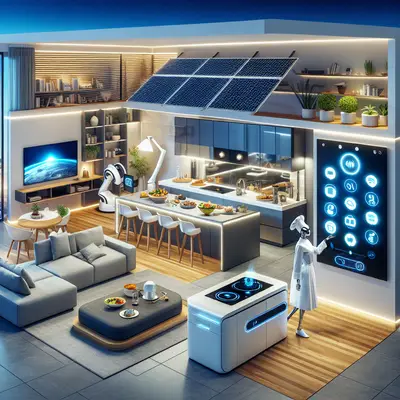
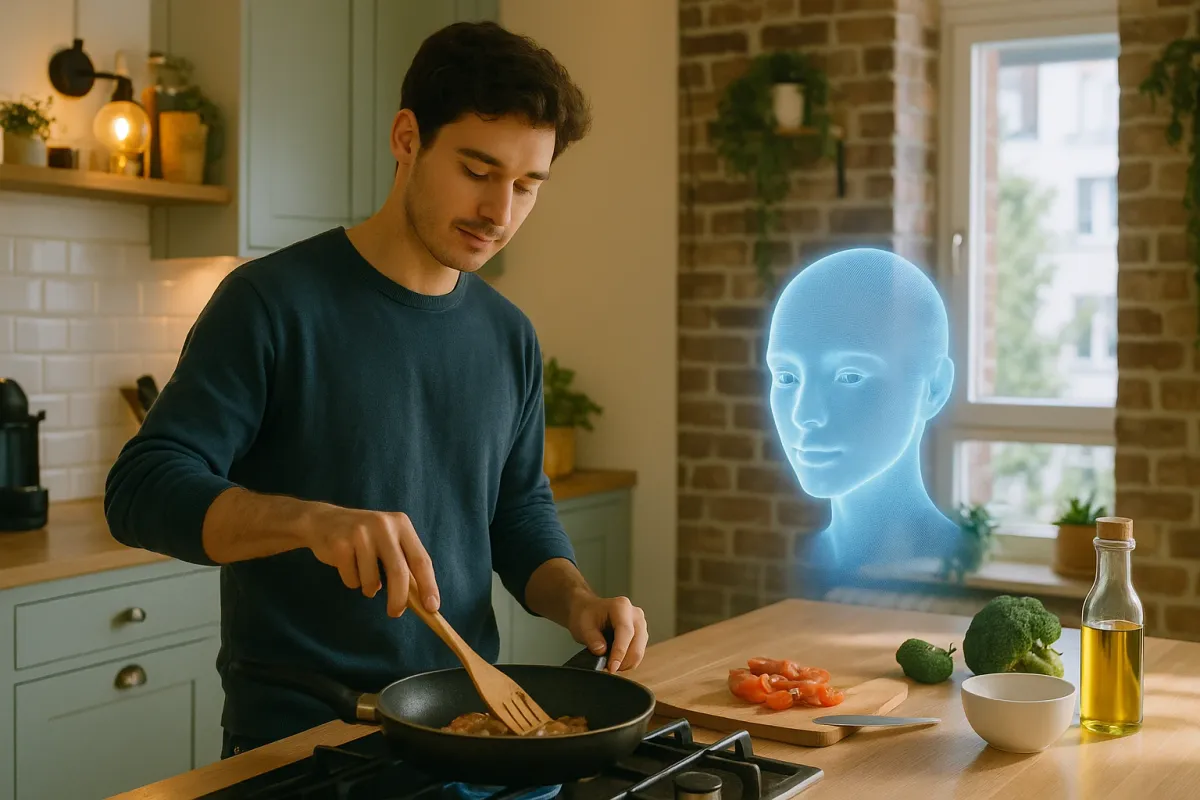
Picture this: on high-energy days, your kitchen displays step-by-step, interactive recipes on a smart display, queues your “Cooking With Vibes” playlist, and warms up the oven right as your workday ends. On low-energy, “scrolling in bed reading scam horror stories” days, the same kitchen shifts modes—pushing 15-minute, three-ingredient recipes to your display, proposing “clean out the fridge” bowls based on what’s actually inside, or even nudging you with a hydration reminder if your smart water bottle and watch both say you’re slacking. It’s not about perfection; it’s about a kitchen that’s honest about how you actually live, binge-watching and all.
Home Security That Feels More Like Community, Less Like Surveillance
While people share their worst “I fell for this scam” stories on Reddit, home security is quietly going through a image refresh. Yes, video doorbells and DIY systems from Ring, Arlo, Google Nest, and SimpliSafe are still huge—but the vibe is shifting from paranoia to connection. Neighborhood apps, shared smart camera feeds for package drops, and hyper-specific alerts (like “just your usual delivery person”) are making security feel more relational and less like you’re living in a dystopian Black Mirror episode.
The future of home security looks more like a group chat than a guard tower. Cameras that can differentiate between known faces and strangers, motion alerts tuned to “only notify me if it’s not a pet or a usual visitor,” and community tools to share suspicious activity without spiraling into fear content are all in development or already rolling out. With online culture so hyper-aware of scams, doxxing, and digital vulnerability, the most innovative security tech won’t just keep bad actors out—it will help your home feel safe without raising your baseline anxiety every time a leaf blows past your porch.
Conclusion
We’re living in a moment where people are publicly unpacking their inner worlds—through memes, comics, threads, and long confessions about love, scams, burnout, and everything in between. The smartest home tech in 2025 is quietly catching up, shifting from “look what I can automate” to “how do you actually feel in this room right now?”
From mood-responsive lighting and stress-aware soundscapes to micro-zoned spaces, emotionally intelligent kitchens, and calmer, community-focused security, the next wave of home tech isn’t about more gadgets—it’s about more alignment. Your home doesn’t need to be perfect. But it can absolutely become the one place that understands every version of you—and adjusts, automatically, when you’ve had just about enough of the outside world.
Key Takeaway
The most important thing to remember from this article is that this information can change how you think about Home Tech.